Opinion
South Africa's parties are about to negotiate in private over how cities and towns will be run for the next five years. Voters should not have to guess what is being traded. This is the view of the Insight Factor desk, based on reporting to date; the count is not final.
The arithmetic is already difficult
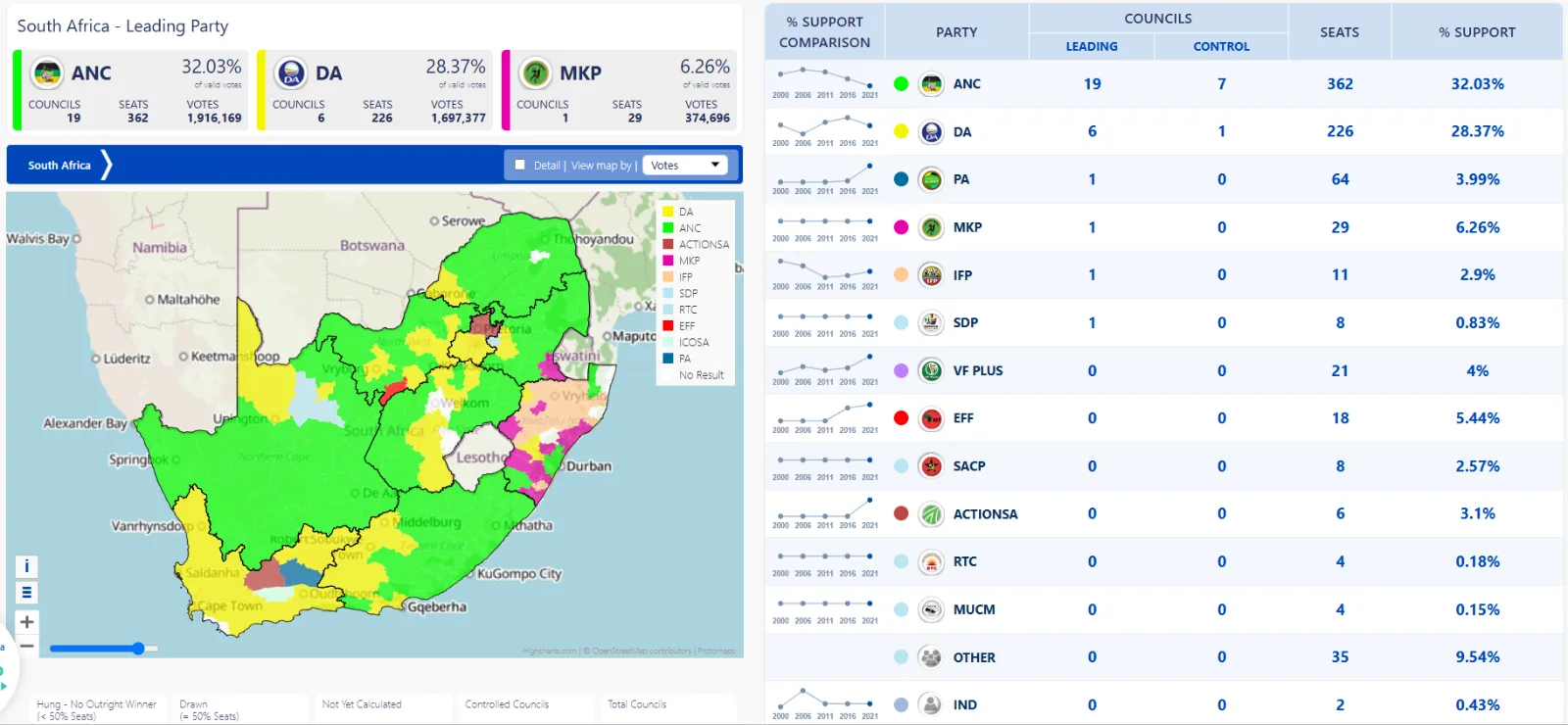
In the Western Cape, the DA was reported on Thursday to be the largest party without an outright majority in 14 councils. In Saldanha Bay it stood on 49.2% and 15 seats, one fewer than all other parties combined. One seat can decide who governs a town.
In the big Gauteng metros, DA mayoral candidate for Johannesburg Helen Zille was at the IEC results centre in Midrand, where coalition talks for Johannesburg, Tshwane and Ekurhuleni were expected. ANC chairperson Gwede Mantashe has told his party to accept the outcome.
A short window
Reporting on the IEC timetable indicates that parties are expected to have about two weeks from the declaration of results, anticipated on Sunday, to form coalitions. That detail should be confirmed against the IEC's own notice. Whatever the exact number of days, the window is short for deals that decide budgets, water, electricity and refuse collection.
What parties should do now
Each party should publish, before it sits down, the three or four things it will insist on and the things it will not accept. That would let voters judge a deal against what was promised, and let councillors be held to it.
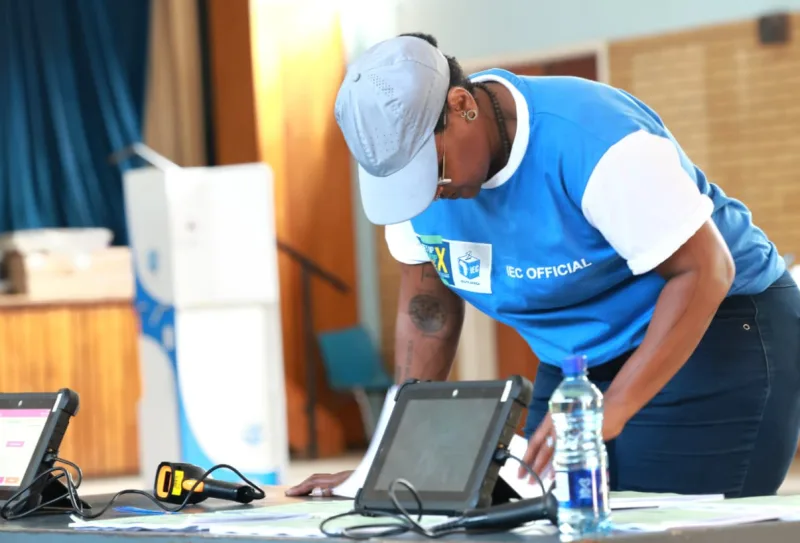
It would also be a test of seriousness. A party that cannot say in public what it wants from a coalition is unlikely to defend it later. Voters who queued in the storm-warning heat of election week were choosing councils, but they were also judging whether the basics work. Coalition terms written down and shared are a small first step towards showing that they do.
The other side
Parties will argue that early red lines weaken their hand in negotiations, and that talks need room to compromise. That is a fair point. But a published list of priorities, rather than a list of ultimatums, costs little and gives the public something to measure the outcome against.