Opinion
More than 29 million South Africans are registered to vote today, according to the Electoral Commission of South Africa (IEC). On paper, they are choosing councillors. In practice, many will be judging something simpler: whether the tap runs, the lights stay on and the people they elect can govern together.
The basics are the ballot question
On Monday 2 November, the People's Water Forum held a protest at Johannesburg Water's head office. It was a small reminder, two days before polling, that service failures are not an abstract campaign theme. They are the daily experience of residents in the country's biggest city and others.
Analyst Kingsley Makhubela put it plainly in a pre-election assessment: "People are not going to vote on sentiments." If that is right, the winners will be judged less on their manifestos than on whether they fix what residents already know is broken.
Coalitions are now ordinary
By February 2026, 74 of South Africa's 257 municipalities were governed by coalitions or minority administrations, according to the Mapungubwe Institute for Strategic Reflection. An Ipsos poll released on 30 October put the ANC at 30% nationally, and polling has pointed to coalitions in most of the big metros.
That matters because coalitions can mean slow decisions and shifting alliances. Residents do not experience that as politics. They experience it as potholes, outages and unanswered complaints.
Will people turn up?
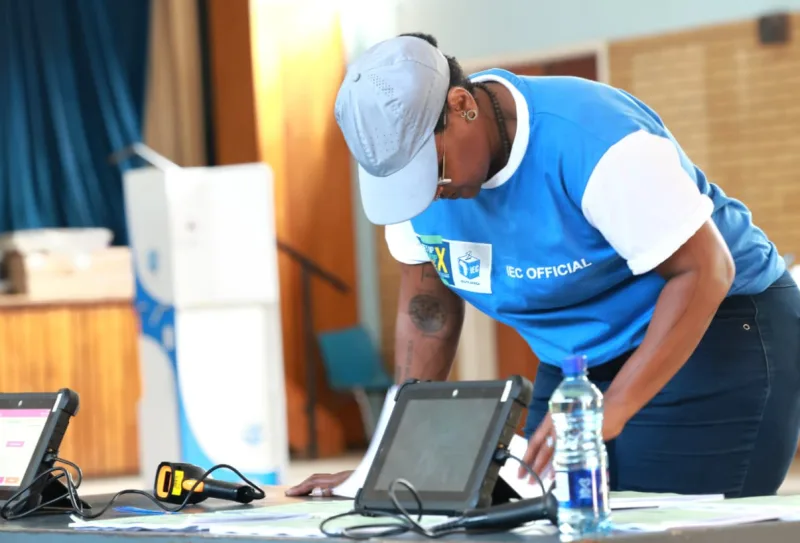
Turnout in the 2021 municipal elections was 46%, according to reported figures. This week, only about 1.43 million of the 2.66 million approved special voters actually voted, the IEC says. Those numbers do not prove apathy, but they are a warning that a large part of the electorate may stay home.
What voters should demand of whoever wins
Whatever the final results show, residents are entitled to ask for three things from their new councils: published service targets, such as water and power restoration times; clear, public coalition agreements, where coalitions form; and regular reporting on whether promises are kept.
The vote is the start of accountability, not the end of it. If councils want trust, the basics are where they will earn it.
This opinion piece is grounded in reported facts and reflects the writer's analysis.