Opinion
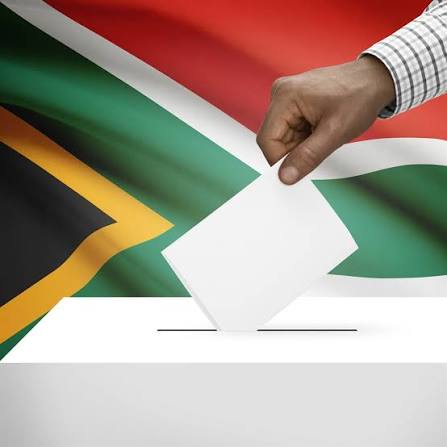
By the end of today, four of South Africa's biggest cities may have new or returning mayors. Tshwane chose Nasiphi Moya on Thursday night. Johannesburg, Ekurhuleni and eThekwini are due to vote today. Much of the past three weeks has been about arithmetic: who has 136 votes, who holds the deputy mayor's chair, which party walks out.
That arithmetic matters. But the moment the votes are counted, it stops being the point.
The deals are made; the work starts
Residents did not vote on 4 November for a speakership or a finance portfolio. They voted, in most cases, for water that comes out of the tap, lights that stay on, roads that get fixed and bills that are correct. The coalitions forming this week have every right to govern if they hold a majority in council. That is how the system works. The test is what they do with it.
In Tshwane, Moya has listed five commitments: financial recovery, jobs, reliable water and electricity, public safety and better customer service. These are measurable promises. Residents of Bronkhorstspruit, where more than 600 people fell ill from poorly treated water, will know within months whether the third one means anything.
Thin majorities need thick accountability
In Johannesburg, the governing bloc's margin is two seats if every partner votes together. In Ekurhuleni it may be none at all. In eThekwini, five councillors resigned within days of being sworn in, and parties are accusing each other of bad faith. Thin majorities are not a reason to deny anyone office. They are a reason to watch closely, because a coalition that spends its energy keeping itself alive has less left for fixing pipes.
Every party has a part to play here. Those in government must publish what they have agreed, so residents know who is answerable for which department. The DA asked for exactly this in Tshwane on Thursday, and every party that has made the same call should support it, whichever side of the chamber it sits on. Those in opposition must scrutinise, not sabotage. A motion of no confidence brought simply because the numbers allow it is a cost borne by ratepayers, not by politicians.
What residents can ask for
There are simple questions any resident can put to their new councillor: Who is the mayoral committee member for water in my city? When will this year's budget adjustment be tabled? What is the plan for the outage on my street?
The mayors elected this week will spend the coming months telling us how hard it was to form these coalitions. Residents are entitled to answer that they did not ask for a coalition. They asked for a working city.