Opinion
On the first day of the 16 Days of Activism, the most useful thing government can offer women and children is not a speech. It is a list.
In effect, that is what President Cyril Ramaphosa promised in the National Council of Provinces on Tuesday. By the end of November, the police and justice ministers, SAPS and the NPA must audit every unresolved murder, attempted murder, rape and serious sexual offence involving women and children. By the end of December, they must have recovery plans for priority and stalled cases, each naming "the outstanding action, the official responsible and the deadline".
It is the right instinct. It is also the easy part.
An audit nobody sees changes little
An audit tells the state what it should already know: which dockets are standing still, which forensic samples are waiting, which cases have quietly collapsed. The test is whether that list leaves the building.
Ramaphosa has promised quarterly public reporting on forensic progress, and the Inter-Ministerial Committee and National Council on GBVF must publish quarterly reports. The audit itself should be published too: numbers by province and by police station, with no names, so communities can see where cases are stuck.
The President has already named the weak spot
Asked by an EFF MP what made these measures different from earlier promises, Ramaphosa conceded that progress on the National Strategic Plan on GBVF had not been enough. He also said that "directives alone cannot guarantee the safety of women and girls". He is right. That makes the follow-through more important, not less.
The forensic backlog is the clearest example. The President has asked for a funded plan to reduce it within specific timeframes, but named neither a timeframe nor an amount. Without both, families waiting for DNA results have nothing to hold anyone to.
What success should look like by January
- A published count of unresolved cases, by province.
- A named official and a date against every stalled case, as promised.
- A costed forensic plan with a deadline the public can check.
- A first quarterly report that shows cases moving, not just counted.
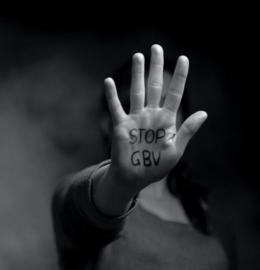
The 16 Days end on 10 December, before the recovery plans are even due. That timing is a reminder that the campaign is a moment and the work is year-round. This year's theme calls on men, women, boys and girls to work together to end gender-based violence. The state's share of that work starts with a list it is willing to show us.