Progress against HIV in a rural part of KwaZulu-Natal has stalled, according to researchers who have tracked the epidemic there for 20 years. New infections have stopped falling and viral loads are moving in the wrong direction, they say, just as United States funding support is set to end.
What the researchers found
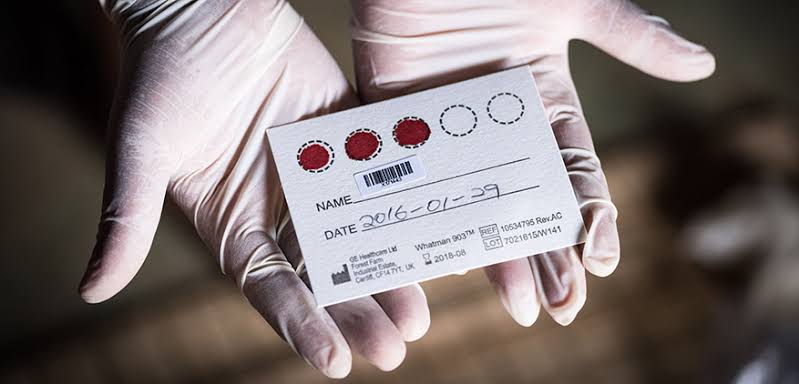
The data come from a door-to-door survey run by the Africa Health Research Institute (AHRI) in the uMkhanyakude district. Close to 30,000 people are tested for HIV there every year. Frank Tanser is the senior author.
- Lifetime risk: A 15-year-old girl's projected chance of having HIV by age 55 has fallen from about 75 in 100 in 2004 to about 50 in 100 today. Risk is lower for both sexes but remains higher for women.
- New infections: Infections fell steadily for about a decade. Around 2015, about four in 100 women and two in 100 men were infected each year. Progress has since stalled, with rates neither rising nor falling.
- Infections versus people living with HIV: The ratio fell from about four new infections for every person living with HIV in the early 2000s to close to one by 2019, then levelled off.
- Viral load: About 70% to 80% of people had high viral loads 15 years ago. That halved within ten years, but the trend has reversed over the past six years, and at least 44% now have high viral loads, defined as above 1,550 copies per millilitre.
The national picture
An estimated 7.9 million people in South Africa live with HIV, and just under 6.2 million are on treatment, according to the Thembisa model. By the end of September, around 2.43 million HIV-negative people had used PrEP since it became available in the public health sector, according to the health department.
A 2002 survey by the Human Sciences Research Council found that 11 in 100 people tested positive.
Funding concerns
The report says support from the United States President's Emergency Plan for AIDS Relief (Pepfar) is set to end from early next year. Mitchell Warren of the HIV prevention advocacy group AVAC said: “Staying still is not good enough.” Helen Rees of Wits RHI also commented on the findings. The researchers stress that testing, prevention and continued funding are needed.
What we do not yet know
- How closely the uMkhanyakude results reflect other districts or the country as a whole.
- How the 44% high viral load figure compares with the 86% suppression target set by the Joint United Nations Programme on HIV/AIDS (UNAIDS).
- What the health department plans if Pepfar support ends as scheduled.