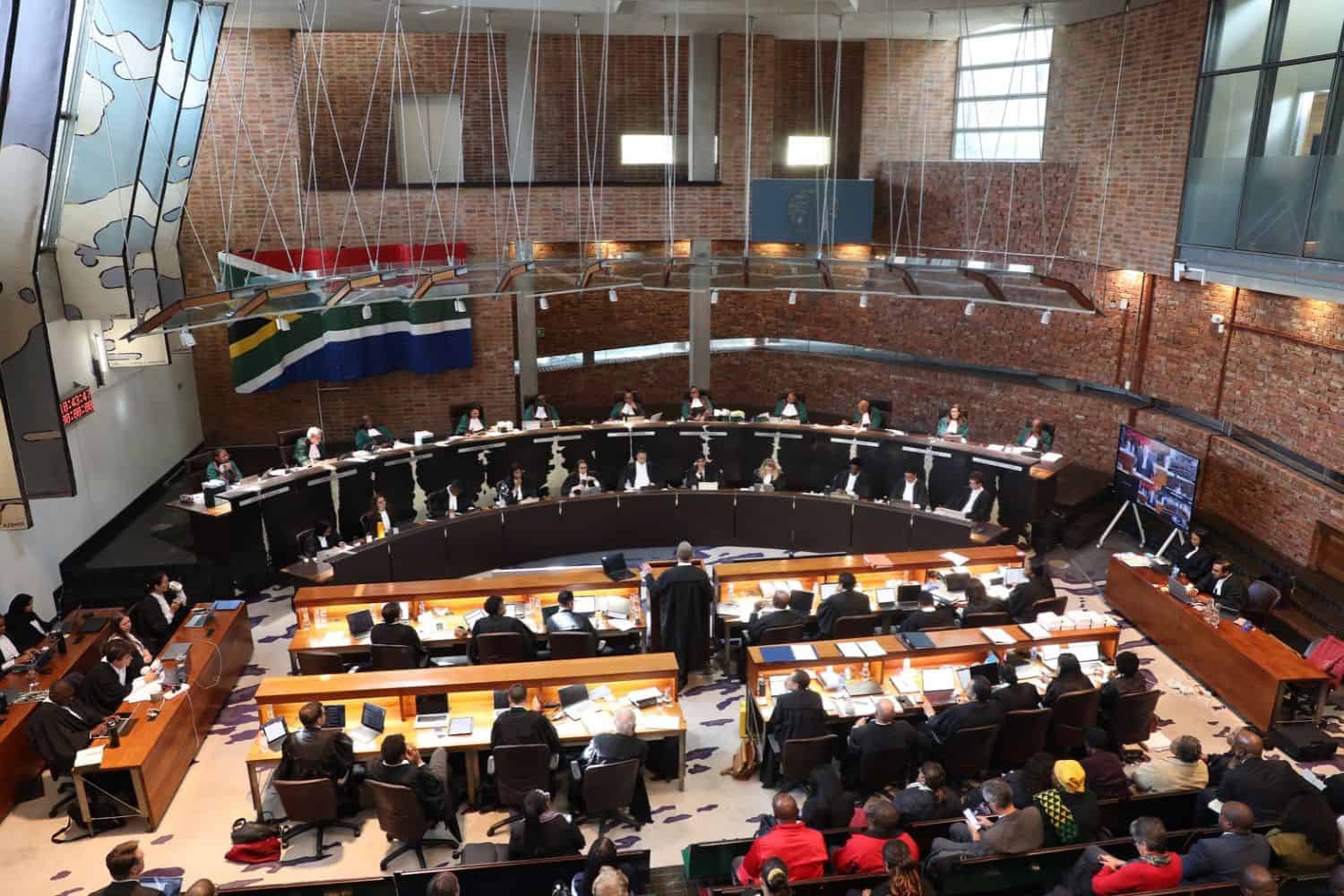
The Constitutional Court on Friday dismissed two challenges to the National Health Insurance (NHI) Act, finding that Parliament met the constitutional requirements for public participation when it passed the law.
The challenges were brought by the Board of Healthcare Funders (BHF), which represents medical schemes and administrators, and by the Western Cape government. Both argued that the public had not been properly consulted when the NHI Bill went through the National Assembly and the National Council of Provinces (NCOP).
The ruling removes one legal hurdle to the NHI, the state-funded universal health system that President Cyril Ramaphosa signed into law in 2024. It does not decide whether the scheme itself is constitutional, affordable or workable, and the Act has still not come into operation.
What the court decided
The court unanimously rejected the BHF's case, holding that the National Assembly had met its duty under section 59(1)(a) of the Constitution to facilitate meaningful public participation.
The judges were divided on the Western Cape government's challenge, which focused on the NCOP's process. The majority found that the NCOP had also met the constitutional standard. A minority judgment would have found the NCOP's process flawed.
In its statement on the ruling, the Department of Health said the court had found that Parliament's process "met the constitutional requirements for meaningful public participation".
What the parties said
The Department of Health welcomed the judgment and said it remained committed to a health system that is "accessible, equitable, affordable and of good quality". It added: "The department will, at a later stage, announce the next step regarding the implementation of the NHI."
BHF managing director Dr Katlego Mothudi said the organisation respected the court and would study the judgment. "Substantial legal and practical questions remain before the NHI can become fully operational," he said.
Theuns du Buisson, an economic researcher at the Solidarity Research Institute, said: "Although we're disappointed in today's judgement, for us, it's the beginning of the larger process, which is far from done."
What it means for patients and medical aid members
Nothing changes immediately for people who use public clinics and hospitals or who belong to a medical scheme. The Act sets no implementation date, and the Department of Health has said it will announce next steps later.
The NHI is designed to pool health funding into a central state fund that buys services for everyone. Medical schemes, business groups and some provinces have raised concerns about its cost and about the future role of medical aids, and those questions are being tested in other cases.
What we do not yet know
- When the Department of Health will announce its next implementation steps.
- How the Western Cape government will respond to the ruling.
- When the remaining challenges will be heard, including Solidarity's challenge to the substance of the Act and a BHF application in the Gauteng High Court to review the President's decision to sign the Bill.