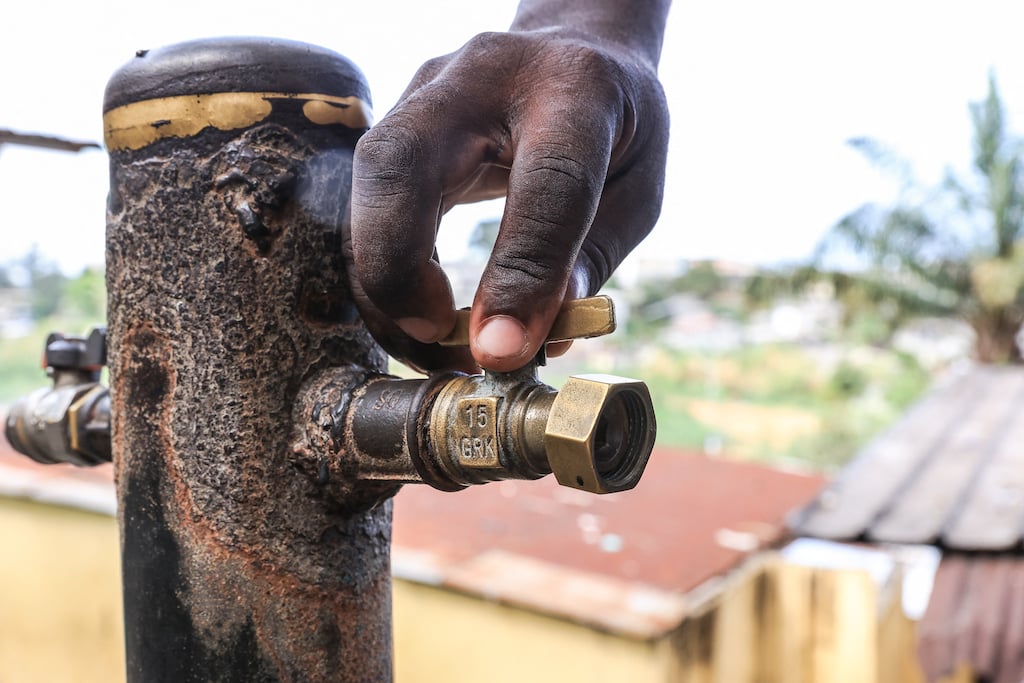
In KuGompo City, the question on residents' lips is simple: if the dams are full, why is there no water in our taps?
For many households in the Eastern Cape metro, formerly known as East London, the answer depends on the day. Some mornings there is nothing at all. On others, the water that comes out is so poor in quality that families are afraid to drink it. For people already juggling unemployment, rising prices and crime, it has become a daily grind that is pushing communities to breaking point.
Why it matters
This is not a drought story. The rain has come and the dams have filled. Residents say the crisis is about what happens between the dam and the home: unreliable supply, long outages and ageing infrastructure that keeps breaking down.
That makes the frustration sharper. When there is no water because there was no rain, people understand. When there is no water despite full dams, people start asking who is responsible.
Life without a reliable tap
No running water changes everything about a day. It means getting up early to fill buckets before the supply cuts out, boiling water before children can drink it, and carrying containers from wherever water can be found. It means schools, clinics and small businesses struggling to keep going, and spaza owners and hair salons losing customers when they can't operate.
For the elderly and people living with illness, it becomes a health risk. For working parents, it means lost time and extra costs, with money spent on bottled water that many families simply cannot afford.
A familiar pattern
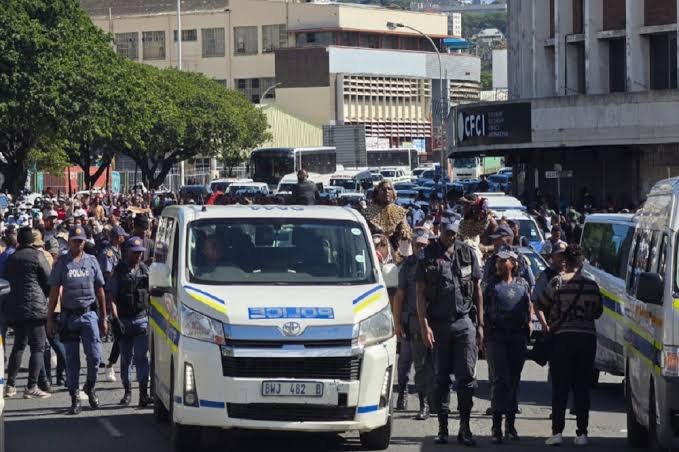
Residents of KuGompo have complained for months about water shortages alongside high unemployment and crime, and the issue featured strongly in the run-up to the 4 November local government elections. Community members have also been taking matters into their own hands on other fronts. In October, residents organised to fight cable theft, which has repeatedly knocked out services in the area.
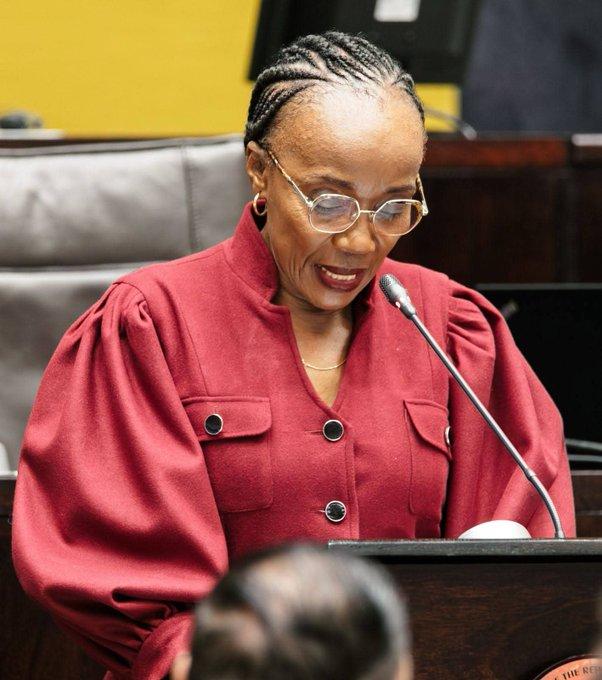
The frustration is part of a national picture. This week, Water and Sanitation Minister Pemmy Majodina said the country's water problems are mostly not caused by a lack of bulk supply, but by what she called dismal management at municipal level. She said new municipal councils will get six months to draw up turnaround plans, including plans to tackle water lost through leaks and broken systems.
What residents want
The demands from the ground are straightforward: water that arrives every day, water that is safe to drink, and honest communication about when outages will happen and how long they will last.
With new councils now sworn in after the November elections, KuGompo City residents will be watching closely. For them, the test of the new leadership won't be in speeches or plans. It will be whether water comes out of the tap tomorrow morning.