From Saturday, the hosepipe goes away. Johannesburg will move to Level 2 water restrictions on 21 November, banning the use of municipal drinking water to water gardens at any time of day.
Johannesburg Water announced the move on Wednesday. It says the restrictions are meant to reduce demand, help reservoirs recover and make supply more reliable. The city needs to cut demand by 200 million litres a day to stabilise its system, the utility said.
What is banned from Saturday
- Watering gardens, lawns, parks and public spaces with municipal drinking water, at any time of day. Level 1 allowed watering outside set hours; Level 2 does not.
- Hosing down driveways, paving, pavements and other hard surfaces.
- Dampening building sand with drinking water.
Filling or topping up swimming pools with municipal drinking water is discouraged.
The rules apply to households, businesses, institutions and other users across the city. City departments and contractors must also stop using drinking water for irrigation. The Johannesburg Roads Agency must use treated effluent for road construction, and Johannesburg Water must use it for jetting.
The restrictions are declared under section 58(4) of the City's Water Services By-laws of 2023. Johannesburg Water has not said how long they will last.
Why now
Johannesburg Water says high demand is straining the treated bulk water it receives from Rand Water. That leaves reservoirs and towers unable to keep their levels or recover after interruptions, which residents experience as low pressure, intermittent supply and long outages.
On 2 November, the Gauteng Department of Cooperative Governance and Traditional Affairs wrote to municipalities asking them to assess their supply and demand and to implement and enforce Level 2 restrictions. Tshwane has already announced Level 2 restrictions this week, and Cape Town will introduce Level 1 restrictions from 1 December.
The utility also said fixing leaks and strengthening its own operations were essential to improving supply, alongside public awareness campaigns.
A fair ask?
For residents who have endured days without water, being told to save it can sting. Rand Water has told Parliament that fixing leaking municipal networks is key to Gauteng's water crisis, and Johannesburg Water itself lists leak repairs among its priorities. Restrictions will work only if households comply and the city fixes its side.
How to save water at home
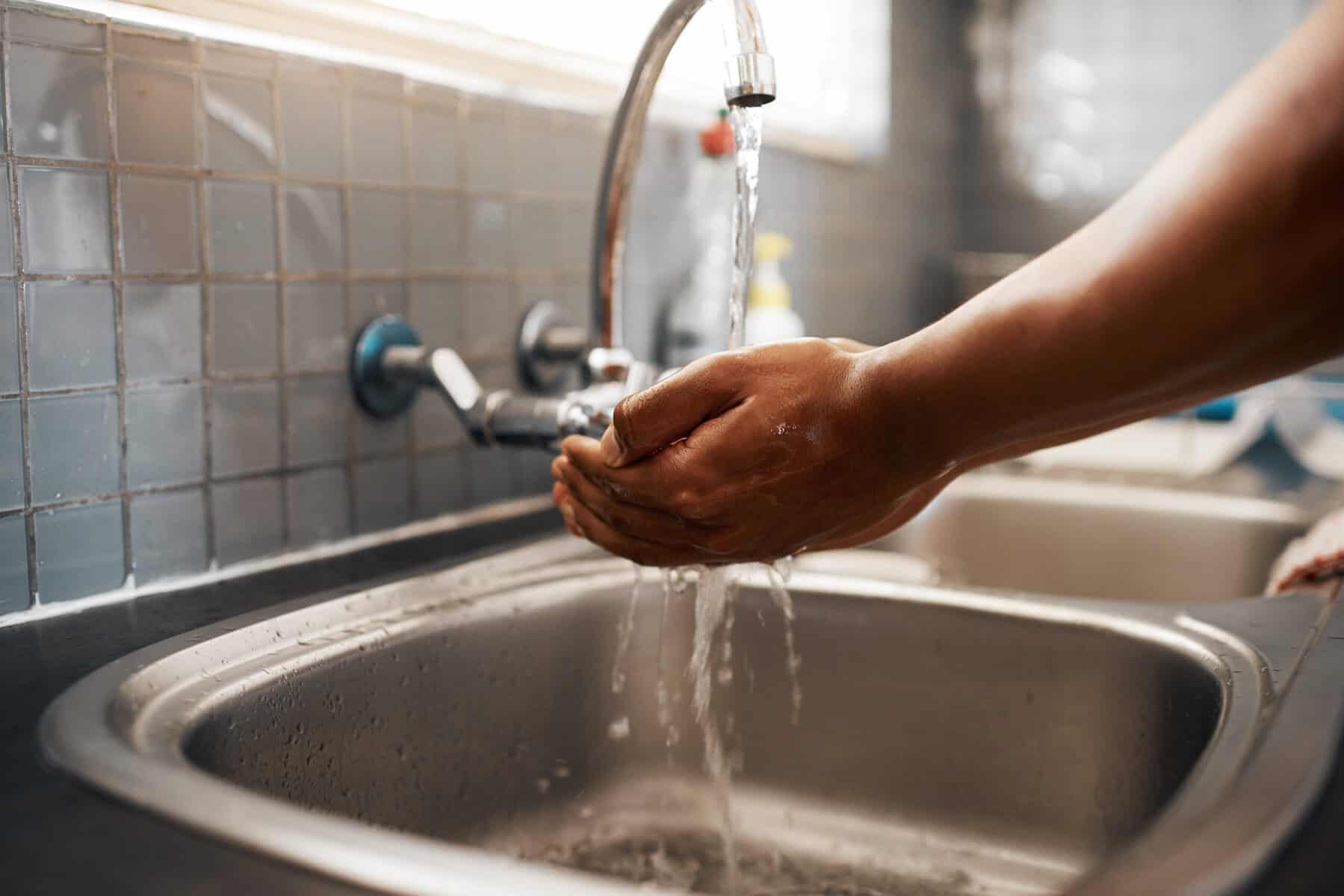
- Fix leaking taps, toilets and pipes.
- Take shorter showers, and turn off the tap while brushing teeth or washing dishes.
- Use a bucket, not a hosepipe, to wash your car.
- Run washing machines and dishwashers only when they are full.
- Reuse greywater where it is safe to do so, and report leaks and burst pipes to Johannesburg Water.