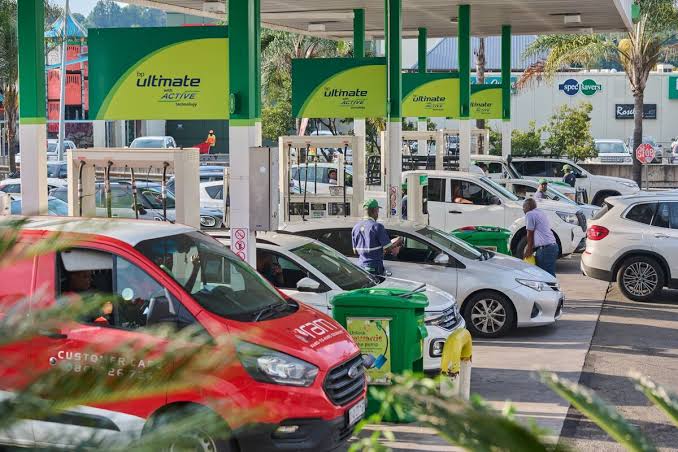
Filling up cost almost 43% more in October than a year ago. That single number explains most of what happened to South Africa's inflation rate last month.
Annual consumer price inflation rose to 5.2% in October from 4.5% in September, Statistics South Africa (Stats SA) said on Wednesday. It is the highest rate in about two and a half years, and slightly above the 5.1% economists had expected. Prices rose 0.7% in the month alone, up from 0.4% in September.
The figures land a day before the South African Reserve Bank's Monetary Policy Committee announces its next interest rate decision on Thursday, 19 November.
It is the fuel
Fuel prices rose 11.8% in a single month and 42.9% over the year, according to Stats SA. Transport contributed 2.1 percentage points to the annual inflation rate, up from 1.5 points in September, and accounted for 0.6 of the 0.7 percentage point rise in prices during the month.
Strip fuel out and the picture is far calmer. Stats SA's measure of inflation excluding fuel was 3.8%. Food and non-alcoholic beverage inflation was just 1.4% year on year, with food prices rising 0.1% in the month.
The warning sign for the Reserve Bank is that price pressure is not confined to fuel. Core inflation, which excludes food, non-alcoholic beverages, fuel and energy, rose to 4.2% from 4.0%, above forecasts. Core prices rose 0.3% in the month.
What it means for households
For most families, fuel is never just fuel. It is the taxi fare to work, the cost of getting goods to the shop, and the price of a delivery. A sharp rise at the pump tends to work its way into other prices over the following months, which is why central banks watch it closely even when food prices are behaving.
The Reserve Bank's dilemma
The repo rate stands at 7.25% after the Reserve Bank raised it in September. Economists had been leaning towards a hold this week. October's numbers complicate that.
A reading of 5.2%, with core inflation also rising, takes the economy further from the Bank's target, not closer.
A rate hike would protect the Bank's credibility, but it would raise the cost of every home loan, car repayment and credit card at a time when consumers are already paying more to move. A hold would ease that pressure, but risk allowing higher prices to settle in.
The Monetary Policy Committee will announce its decision on Thursday afternoon.