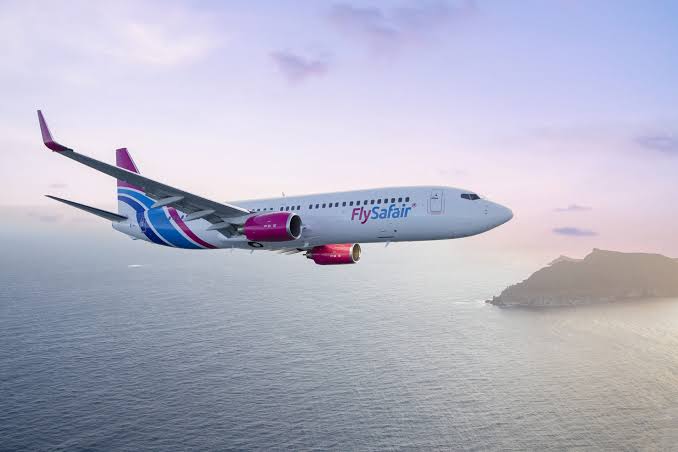
South Africa's Competition Tribunal has approved the acquisition of FlySafair by private equity firm Harith General Partners, clearing a major regulatory hurdle for the sale of the country's largest airline by seat capacity. The decision was announced on Wednesday 28 October, according to published coverage; one report dates it 29 October.
The buyer is Harith Aviation, which is acquiring FlySafair's parent, Safair Holdings. The companies said in a statement that the deal is expected to close later this year, subject to outstanding regulatory approvals and remaining conditions. One report put the value at R7 billion. That figure comes from a single report and we have not been able to confirm it with the parties.
What the Tribunal decided
Harith, which manages more than $3 billion in assets focused on infrastructure in transport, energy and telecoms, signed an agreement in February to acquire the airline, according to published coverage. Harith has previously said the deal would make up about 15% of its portfolio and be funded by debt and equity.
The Competition Commission recommended approval subject to safeguards because Harith also holds a stake in Lanseria International Airport. The safeguards include limits on sharing commercially sensitive information and fair, reasonable and non-discriminatory terms for airport services offered to competing airlines.
According to the reporting we reviewed, FlySafair holds more than 60% of South Africa's domestic seating capacity. It grew from a two-aircraft operation launched in 2014 to more than 30 aircraft. FlySafair has said customers can expect business as usual, with its brand, leadership and strategy intended to remain.
Objections and licensing questions
Rival airline CemAir asked the Tribunal to block the deal or impose stronger safeguards, citing concerns about FlySafair, Lanseria and other aviation interests. The coverage we reviewed does not say how the Tribunal dealt with that request.
Separately, the air services licensing regulator raised concerns in 2024 about ownership and effective control of FlySafair, because trusts and companies rather than individuals hold 75% of its voting rights. That followed a complaint by rival Lift, and Airlink has also challenged the airline's position. FlySafair has said the deal would not automatically settle the licensing issues, which remain with the aviation authorities and legal processes.