Angola and Uganda now take part in a regional planning cell against drug trafficking alongside South Africa, Mozambique and Tanzania, according to published reports, widening what is now a five-country effort.
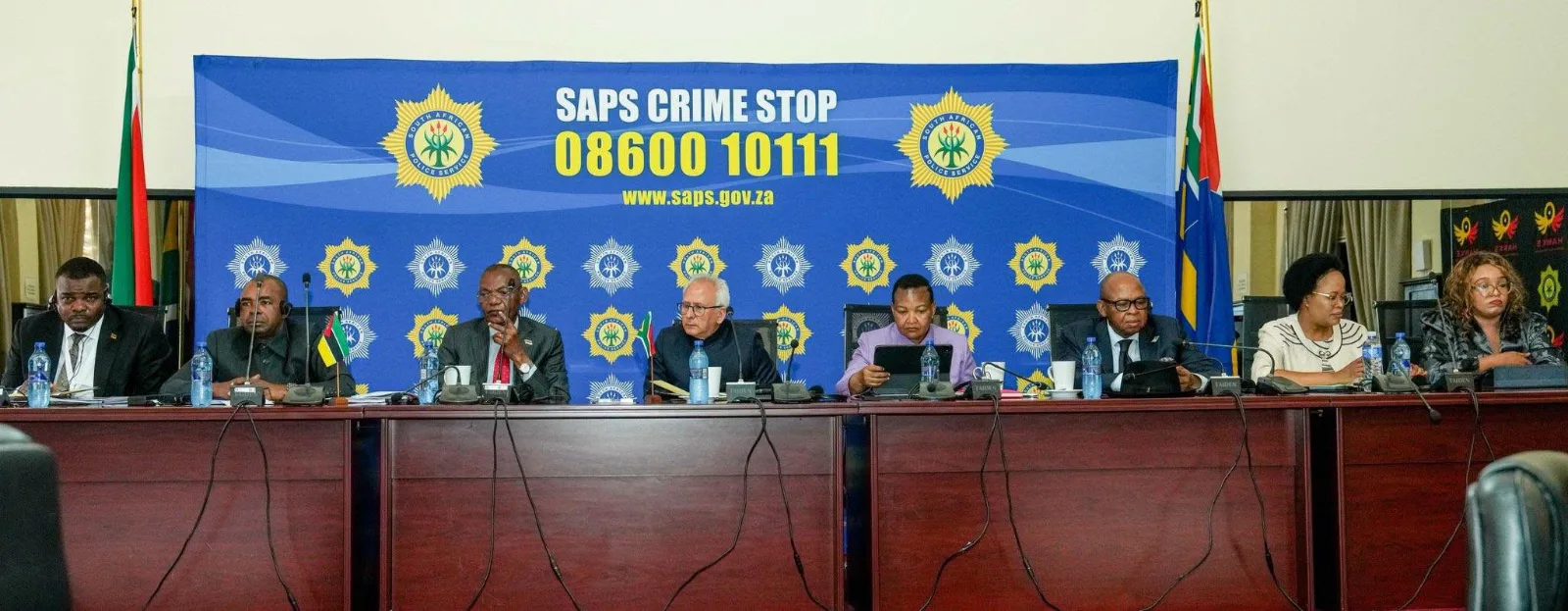
Acting Police Minister Firoz Cachalia hosted regional counterparts for a three-day ministerial troika meeting of the Trilateral Planning Cell earlier this month, where he warned about the spread of clandestine drug laboratories.
What was agreed
According to published reports of the meeting, the countries agreed to stronger regional coordination and intelligence-sharing against cross-border drug trafficking and transnational organised crime. They also agreed plans to establish a Regional Joint Centre for Narcotics and Crime.
Separately, South Africa and Mozambique have proposed a joint counter-narcotics centre, according to earlier published reports.
The challenge of turning plans into action
The remaining test is turning commitments into joint operations, dismantling drug laboratories and disrupting trafficking networks. Commentator Willem Els noted this week that local laboratories appear to be producing far more drugs than the country can use, which points to an export problem as well as a domestic one. That is his assessment and has not been independently verified.
What we do not yet know
We do not know when the joint centre would open, where it would be based, how it would be funded, or what powers it would have. We also have not verified figures on the number of drug laboratories uncovered. The main meeting took place earlier this month, so this article is a wider-view piece rather than breaking news.