Water and Sanitation Minister Pemmy Majodina has cut water allocations in the Western Cape as dam levels fall, and the City of Cape Town has announced Level 1 restrictions, which are reported to take effect on 1 December.
The cuts
Ms Majodina announced the measures at a briefing on Monday, after the department's annual analysis of the Western Cape water supply system for the 2026/27 hydrological year. Domestic and industrial allocations will fall by 7%, or 27.2 million cubic metres a year. Irrigation allocations will fall by 15%, or 29.6 million cubic metres a year. Together, that is about 56.8 million cubic metres a year, or 11% of the system's allocations.
The irrigation cut was initially considered at 18% but was reduced after concerns from the agricultural sector ahead of the planting season, according to the department. The measures will be reviewed every three months. The provincial department head, Ntombizanele Bila-Mupariwa, said the restrictions will be gazetted before implementation dates are confirmed.
Why now
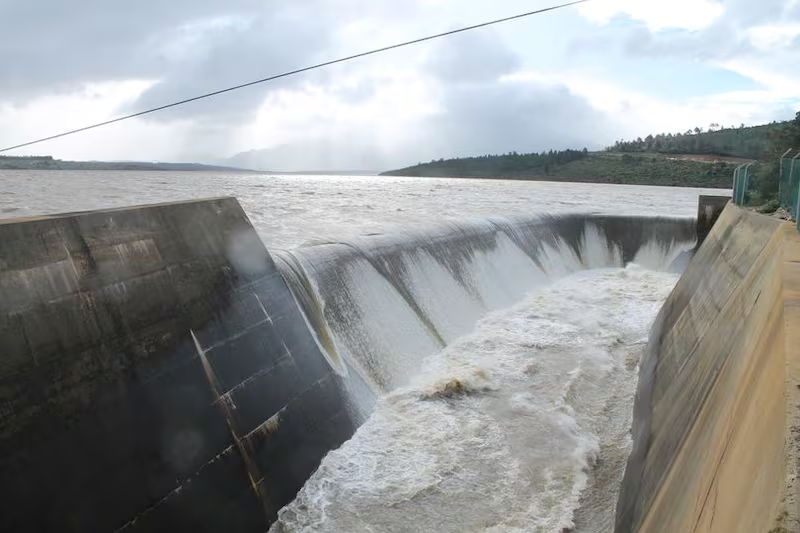
The six-dam Western Cape Water Supply System stood at 72.5% on 2 November, down from 84.4% a year earlier and about 12 percentage points below the 10-year average. That is also below the department's preferred operating level of 80%. The department blames below-average winter rainfall over the past three years.
The department's modelling indicates that leaving allocations unchanged would substantially raise the risk of shortages and mandatory restrictions from 2027. Ms Majodina warned that an extreme El Nino could worsen conditions through higher temperatures and more evaporation. The South African Weather Service cautioned that an El Nino forecast is not itself a rainfall forecast, and that its effects vary by region. "Water conservation is no longer a temporary response to drought," Ms Majodina said.
Officials stressed that the measures are precautionary and that the system is currently operationally stable.
What changes in Cape Town
Cape Town's dams stood at 70.4% on 16 November, 13.4 percentage points below the same time last year, according to the City. Residents used about 951 million litres a day, above the City's target of 860 million litres. The City's executive director for water and sanitation, Leonardo Manus, said: "We cannot afford to wait until dam levels are critically low before acting."
Under the Level 1 rules, as reported:
- Residents are asked to use at least 10% less water, aiming for no more than 85 litres per person per day.
- Garden watering is limited to one hour on Tuesdays and Saturdays, before 9am or after 6pm. Borehole water may be used for gardens only before 9am or after 6pm.
- Hosing down paved areas is banned.
- Pools may be filled but must be covered when not in use.
- Private car washes must use buckets or high-pressure, low-volume equipment, and commercial car washes must recycle at least 50% of their water.
Municipal water losses
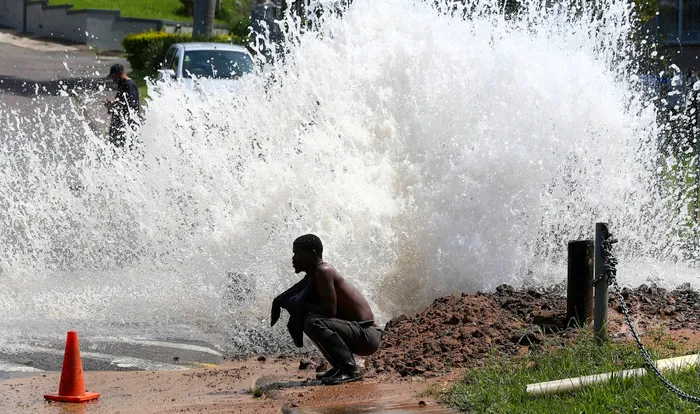
The department flagged municipalities with non-revenue water losses above 30%, including Beaufort West (65.9%), Theewaterskloof (41%), Matzikama (38.6%) and George (36.5%), and said they have been alerted to address the losses.
What we do not yet know
- When the national restrictions will be gazetted and take effect.
- Whether the City's 1 December start date will be confirmed in its own notice.
- Whether other Western Cape municipalities will announce their own restrictions.