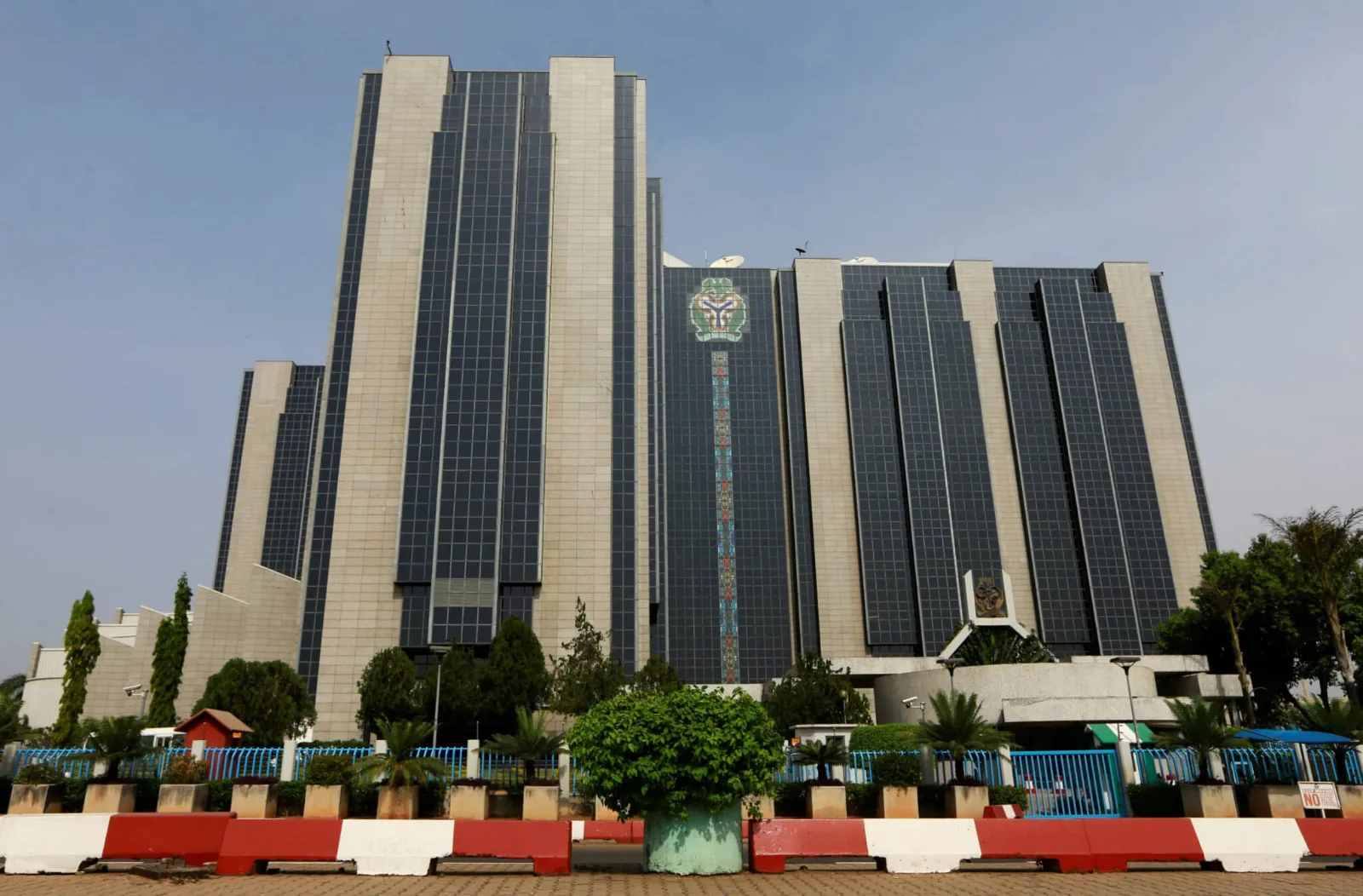
The Central Bank of Nigeria (CBN) has kept its benchmark Monetary Policy Rate at 23%, holding off on further cuts as it weighs easing inflation against the risk of a spending surge over the festive and election period.
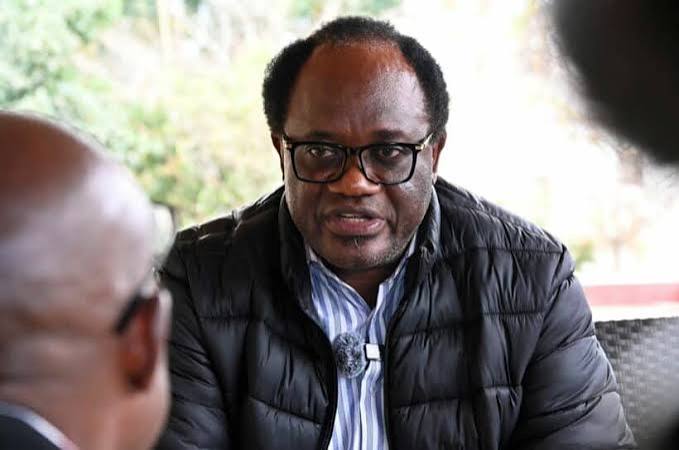
Governor Olayemi Cardoso announced the decision in Abuja on Tuesday, 24 November, after the 308th meeting of the bank's Monetary Policy Committee (MPC). At its previous meeting in September, the committee cut the rate by 350 basis points, from 26.5% to 23%.
All settings unchanged
- Monetary Policy Rate: 23%
- Standing facilities corridor: +50/-300 basis points around the rate
- Cash reserve requirement: 45% for commercial banks, 16% for merchant banks and 75% for non-TSA public sector deposits
- Liquidity ratio: 30%
Why the bank held
"The Committee noted the moderation in headline inflation for five consecutive months," Cardoso said. The bank credits a stable exchange rate and better transmission of monetary policy for the slowdown.
But the committee warned that year-end festive spending and election-related activity could lift demand and push prices up. "Maintaining the current policy stance is appropriate to safeguard the gains of disinflation so far achieved," Cardoso said.
The committee expects the harvest season and a stable exchange rate to help inflation keep falling. It also welcomed a new memorandum of understanding between the CBN and the state oil company NNPC Limited, aimed at increasing foreign-exchange inflows and supporting energy project finance.
The South African comparison
The decision follows the South African Reserve Bank's choice on 19 November to hold its repo rate at 7.25% in a 4-3 vote, with South African inflation at 5.2% in October. Both central banks have opted to wait rather than cut further before the end of the year.