At least 43 people have died in 45 suspected political attacks in South Africa in the first nine months of 2026, according to the Global Initiative Against Transnational Organised Crime (GI-TOC). The research says the count already exceeds the full-year totals of 30 in 2021 and 33 in 2024.
The figures come 20 days before the local government elections on 4 November, which will test the ANC, which lost its national parliamentary majority in 2024.
The numbers and where attacks happened
GI-TOC says most attacks up to the end of September were in KwaZulu-Natal (16) and Gauteng (10). The ANC lost 13 people and the MK Party eight, according to the organisation's figures.
Incidents described in the research include:
- Khethelo Mdluli, 40, an IFP ward council candidate, was shot outside his rural home in KwaZulu-Natal and died in hospital at the end of August. His brother, Sifiso Mdluli, said: "My brother was not a violent man." The family does not know why he was targeted.
- The next day, Lucky Sokhela, 34, another IFP ward candidate, was shot in daylight after arriving home in KwaZulu-Natal.
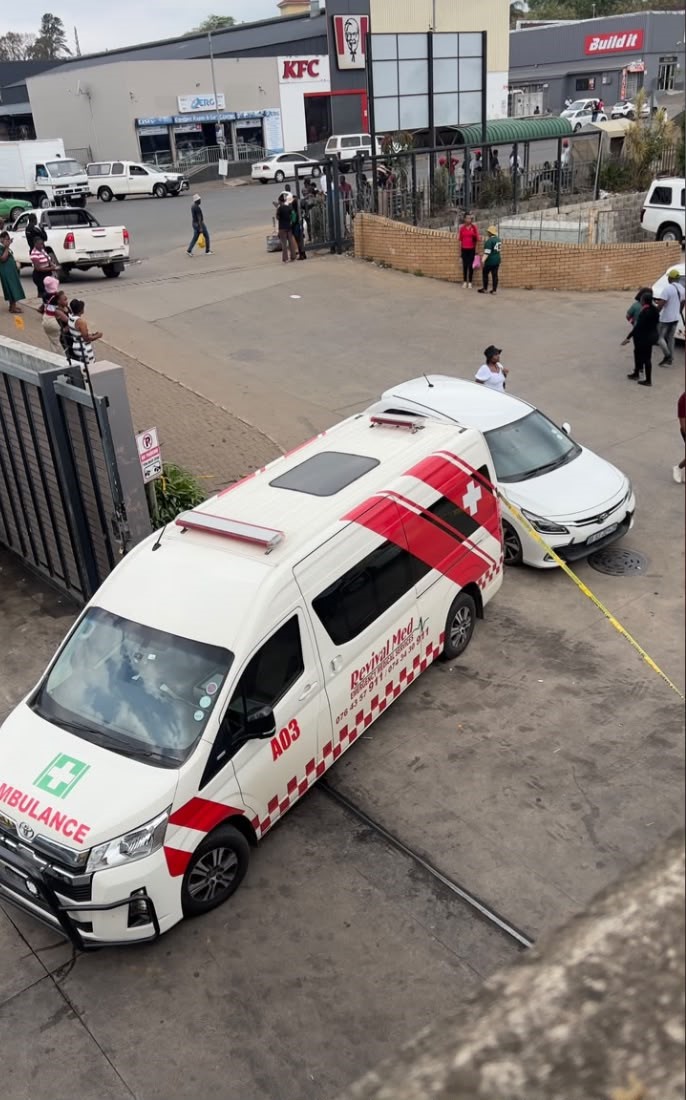
- Four ANC youth members were shot dead outside Johannesburg. Police said the motive was unknown and the alleged gunman surrendered.
The IFP asked the Political Killings Task Team to investigate. The party said: "Let the ballot, not the bullet, decide."
In September, two men were sentenced to life imprisonment for the 2023 murder of DA councillor Nhlalayenza Ndlovu. The trial heard that a traditional leader ordered the killing over disputed land sales and electricity connections.
Why councillor posts are targeted
Researcher Crispin Hemson says the motive has shifted from ideology to control of resources. Analyst Zakhele Ndlovu says many people see a councillor post as a way out of poverty, which drives fierce competition.
Targets include ward councillors, party officials and traditional leaders, who influence housing allocation and government contracts. A ward councillor earns more than R25,000 a month before allowances, in a country with unemployment of 33%, according to figures cited with the research.
Julian Rademeyer, author of the GI-TOC report, links the killings to the "criminalisation of politics" at local government level. GI-TOC's Mark Shaw warned that links between politics and organised crime threaten South Africa's constitutional democracy.
What we do not yet know
- Whether the 2021 and 2024 totals of 30 and 33 count deaths or attacks. The research as relayed is ambiguous, so the comparison needs checking against the report.
- The motive in most cases. Police have said the motive in the shooting of four ANC youth members is unknown.
- Whether the shooting of ANC youth members described here is the same incident as other recent shootings of youth members in Ekurhuleni, which we have reported separately with a different toll.
- How many cases have led to arrests or charges. Anyone arrested is presumed innocent.
- The report's methodology and what counts as a suspected political attack.