Developing story: weather warnings can be updated during the day.
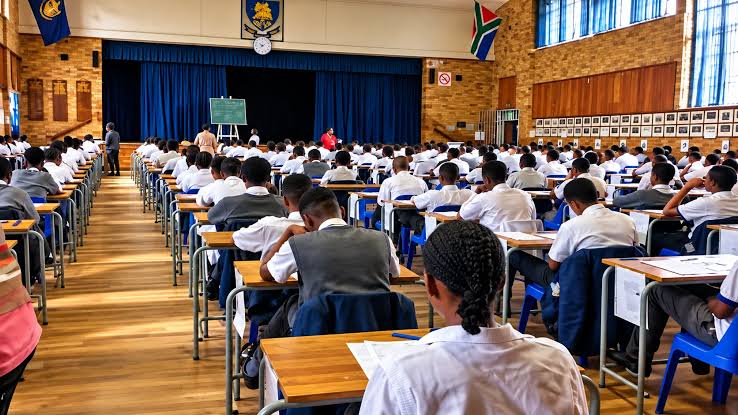
The South African Weather Service (SAWS) has warned of severe thunderstorms in parts of KwaZulu-Natal, Mpumalanga and Limpopo on Wednesday 4 November, the day South Africans vote in the local government elections. Voting stations are open from 7am to 9pm, according to the Electoral Commission of South Africa (IEC).
What the warnings say
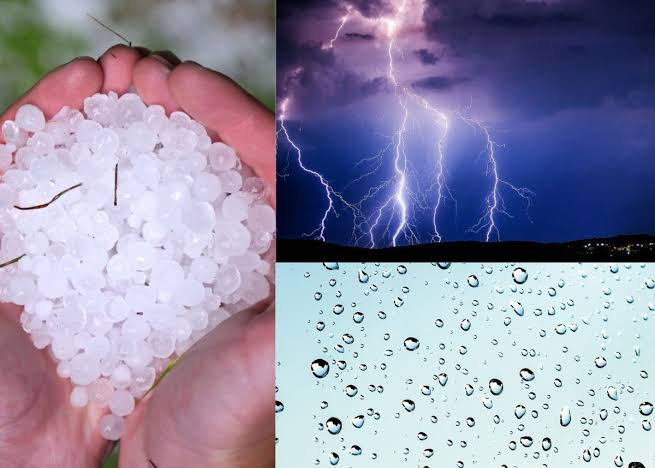
According to the SAWS forecast for the day, a Yellow Level 4 warning is in place for severe thunderstorms over north-western KwaZulu-Natal and central Mpumalanga, with the possibility of "heavy downpours, hail, and excessive lightning resulting in flooding and damage to infrastructure".
A Yellow Level 2 warning for severe thunderstorms covers western KwaZulu-Natal, central-southern Limpopo and most of Mpumalanga.
Other alerts for the day
The forecast also lists extremely high fire danger over parts of North West, the Northern Cape, the Western Cape, the Free State, the Limpopo Valley and the Western Bushveld. A heat advisory covers the West Coast, the Cape Winelands, the Central and Little Karoo and the Namakwa interior.
Gauteng, Mpumalanga, Limpopo, North West, the Free State, the Northern Cape and the Western Cape are forecast to be partly cloudy to fine and warm to hot, with isolated or scattered showers in several areas. The forecast puts the UV index at very high in Gauteng, extreme in the Western Cape and high in KwaZulu-Natal.
What it means for voters
Voters in the areas under the Level 4 and Level 2 warnings may want to check the latest forecast before leaving home and allow extra time to reach their voting station. Stations stay open until 9pm, so there is a long window in which to vote.
- Check the latest SAWS warnings before you travel.
- Take sun protection if you will queue outdoors in the hot and high-UV areas.
- Remember that you can only vote at the station where you are registered.
What we do not yet know
We have not seen an IEC statement on how it will respond if storms disrupt individual voting stations. It is also not yet clear where the strongest storms will actually fall. We will update this story if the warnings change.