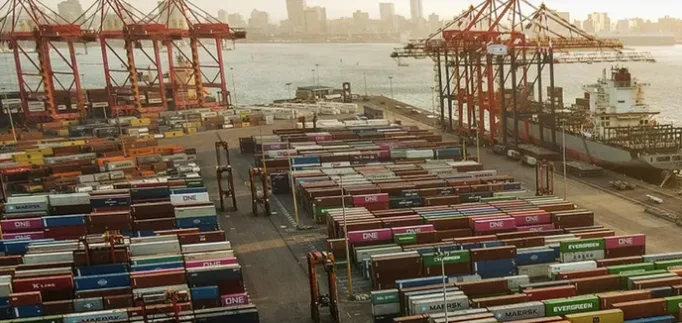
Congestion at Durban's main container terminal is likely to continue into January, Transnet has said, as the port works through a backlog that has built up since a new operating system failed in August.
Transnet group chief operating officer Solly Letsoalo said the Durban Gateway Terminal was handling a backlog of about 10 to 11 vessels a day that could not berth on arrival. Some ships wait a day, others up to 10 days. Clearing the extra load from festive-season retail cargo would take about two months, he said.
What Transnet says about medicine
Health Minister Aaron Motsoaledi has asked Transport Minister Barbara Creecy to help speed up the release of medicines, as shortages of treatments for cholesterol, blood pressure and stomach ulcers continue.
Letsoalo said that of 41 medicine containers the health department flagged as urgent, 18 had been cleared and delivered and seven were expected by next Wednesday. "There is no ship carrying urgently required pharmaceutical products stuck or waiting" at the port, he said, adding that some vessels were still en route from India and Rotterdam. He said the medicine delays were not caused by the terminal's system failure: "It has nothing to do with the glitch of the port here."
Retail, cars and citrus
Letsoalo said vehicle imports had been prioritised and that no auto-sector containers were waiting to be offloaded as of Monday. Most retail stock was already on shelves because retailers order early, he said.
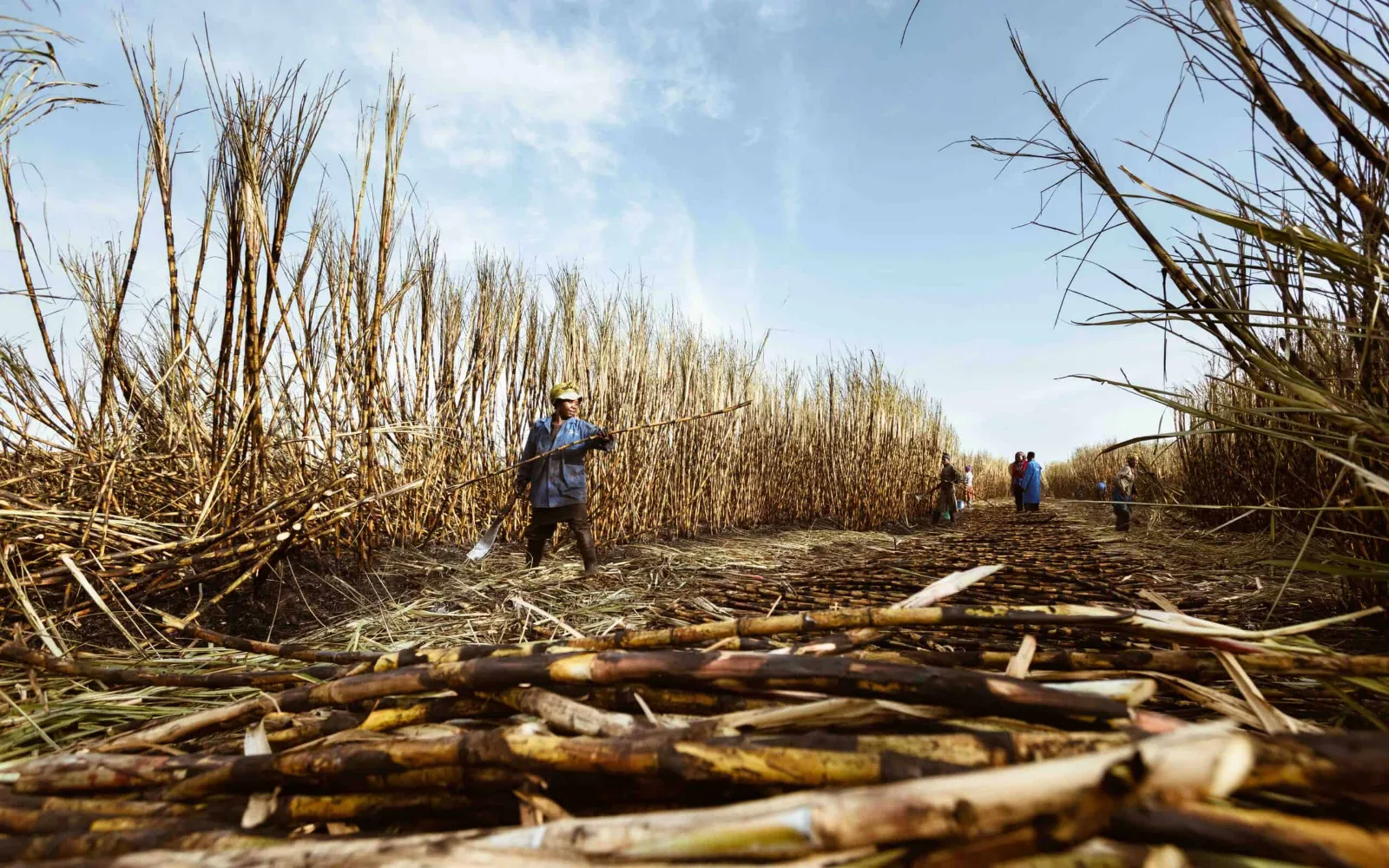
Retail group Pepkor has warned that delayed stock could hurt festive-season sales, citing problems at origin ports in China, shipping issues in Pakistan and India, and difficulties at the terminal. The Citrus Growers' Association has said logistics backlogs caused missed market windows and a weaker 2026 export season. Letsoalo said the August failure coincided with the citrus export peak, and "that backlog has never been recovered".
A slow, staged recovery
Philippines-based ICTSI took over management of the terminal in January 2026 under a 25-year concession, holding 49% against Transnet's 51%. The terminal and Pier 1 together handle about 65% of South Africa's container volumes.
Letsoalo said the first phase of the recovery, with new equipment, should be finished in about 18 months, and full capacity could take up to three years while new ship-to-shore cranes are installed and the yard is resurfaced. Older second-hand equipment is in use in the meantime. "What they are doing with the limited equipment they have, they do well," he said of ICTSI.
What it means for consumers
Patients waiting for chronic medicine may face further delays until the outstanding urgent containers arrive. Pepkor's warning points to some imported stock arriving late for the festive season, and exporters face a congested terminal into the new year.