A Constitutional Court ruling handed down in July has stirred fierce debate, protests and violence this week. The judgment says a person cannot be stopped from lodging an asylum application because of how they entered or stayed in South Africa.
It does not make anyone a refugee, a citizen or legal. It removes a procedural barrier to having a claim heard. Each claim must still be assessed on its merits.
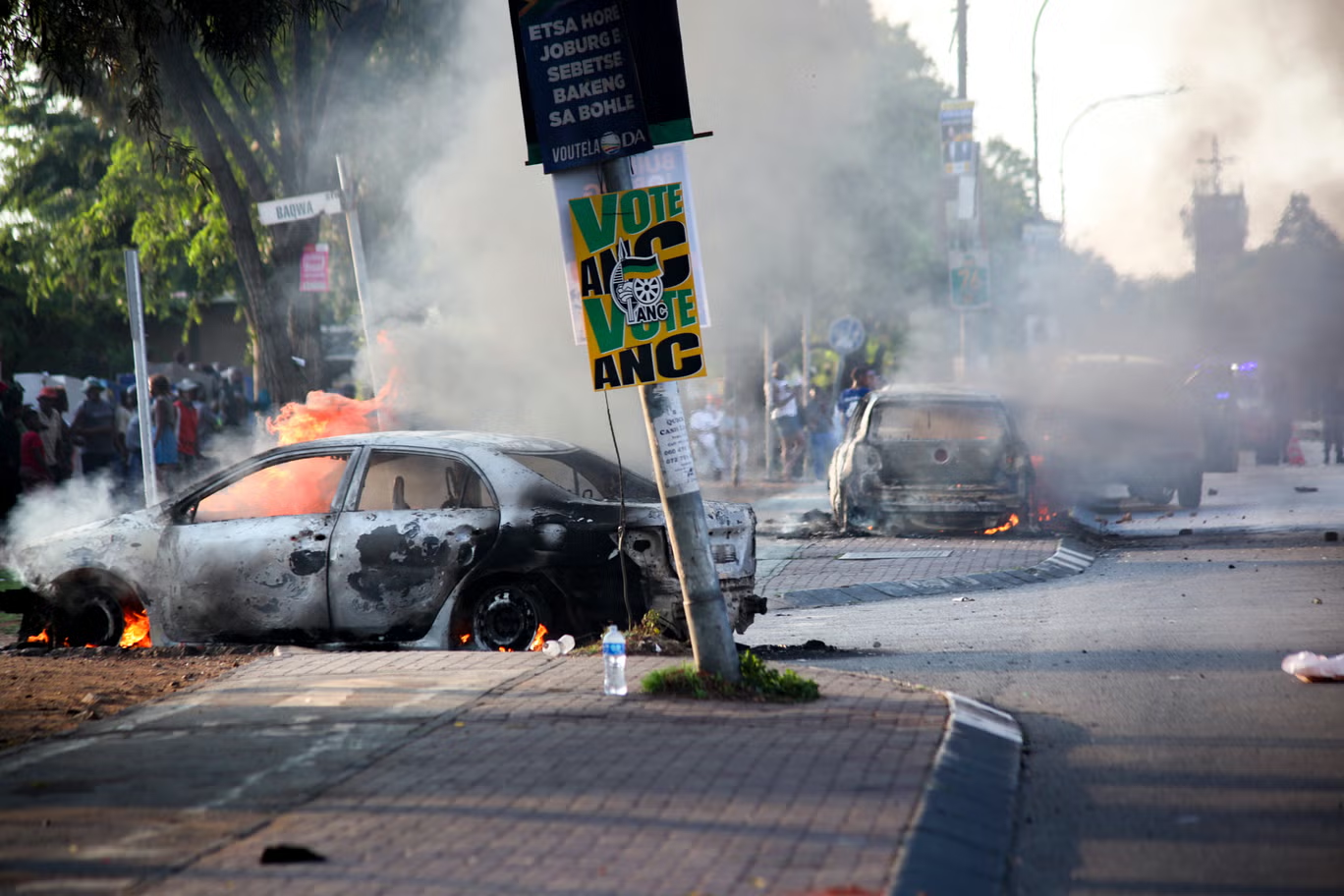
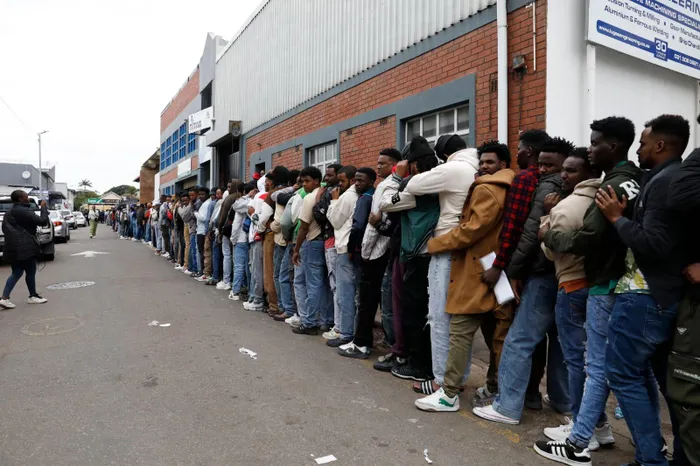
Home Affairs' operational directive to apply the ruling became public this week. Hundreds of people have since gathered at refugee reception centres in Durban and Pretoria, and on Thursday protests over the ruling turned violent in Durban and Soweto.
Latest: government weighs "unintended consequences"
Minister in the Presidency Khumbudzo Ntshavheni said on Thursday that government was assessing options to address the judgment's "unintended consequences".
At a briefing by the Inter-Ministerial Committee on Migration, chairperson Mmamoloko Kubayi said the ruling does not grant automatic refugee status or permanent residence and does not legalise unlawful migration. She said unfounded or fraudulent applications would be rejected through legal processes, and she urged the public not to blockade Home Affairs offices.
The committee said government would boost Home Affairs' processing capacity, speed up decisions and tighten identity checks, including biometric screening. It acknowledged that the department lacked the immediate capacity to handle the new applications.
The Public Servants Association, which represents most Home Affairs staff, said the department was at about 35% of its approved staff numbers, according to its information. It has asked for a meeting with the department on Friday and for an urgent check on staffing and resources at affected offices.
ActionSA has proposed keeping asylum seekers in centres near the borders while their claims are processed, permits of no more than 12 months, and a yearly national limit of 10,000 new asylum grants. These are the party's proposals, not government policy.
Anti-immigration groups have blocked access to several refugee reception centres. Home Affairs said it would refer what it calls a disinformation campaign to the IEC ahead of the 4 November elections.
Information as of Thursday night.
What the court decided
The judgment, delivered on 7 July 2026, came in a case brought by the Scalabrini Centre of Cape Town against the Minister of Home Affairs. The centre is a non-profit that assists migrants and refugees, and it was represented by Lawyers for Human Rights.
It challenged parts of the Refugees Act that let officials block or penalise asylum seekers over technical breaches. One was the "good cause" requirement, which obliged people without the required visa to explain to an immigration officer why they lacked it. Another allowed deportation of an asylum seeker found without a transit visa. A transit visa is issued at a port of entry so a person can travel to a refugee reception office to apply.
The Constitutional Court confirmed that these provisions are unconstitutional and invalid. It found that the barriers could stop a genuine claim from being considered and could undermine the principle of non-refoulement, which bars returning people to places where they face persecution or serious harm.
The court also found the rules fell hardest on vulnerable people, especially children, and did not respect the constitutional requirement to put a child's best interests first.
The Western Cape High Court had earlier declared the same provisions unconstitutional.
What changes at Home Affairs
Home Affairs says it opposed the case but must obey a binding order. Its operational directive tells refugee reception offices to accept an application from anyone who presents themselves and says they want to seek asylum.
That covers people who:
- entered the country unlawfully or away from an official port of entry
- did not declare an intention to seek asylum at a port of entry
- hold no visa
- did not report to a refugee reception office within five days of entering
The ruling does not decide whether a claim succeeds. Every application is still assessed, including an interview and the applicant's circumstances. Applicants whose claims are rejected and who have no other status must leave voluntarily or can be deported, the department says.
Home Affairs has warned that applications could rise sharply and that it may need longer hours or more staff. Commentators have questioned whether refugee reception offices have the capacity to cope. One analyst cited department figures showing 3,994 applications processed and 1,934 approved in 2025/26.
Government fights false claims as tensions rise
Home Affairs has said it is alarmed by what it calls a coordinated disinformation campaign. It says the claims that the ruling grants citizenship or blanket legalisation are "categorically false", and it is referring the campaign to the Electoral Commission of South Africa (IEC) ahead of the local government elections.
The IEC said claims that asylum seekers could vote were incorrect, because only South African citizens aged 18 and older on the voters' roll can vote. The Border Management Authority said the judgment "does not mean South Africa is 'free for all'" and that it continues to manage movement at ports of entry.
The Inter-Ministerial Committee on Migration, chaired by Mmamoloko Kubayi, met urgently on Wednesday night with legal experts and other stakeholders. Deputy government spokesperson William Baloyi said the committee was "acutely aware of the uncertainty, concern, panic and confusion". The government has urged the public to stay calm and avoid speculation.
Opposition parties and anti-illegal-migration groups have criticised the state's readiness. ActionSA chief whip Lerato Ngobeni said the government cannot appeal the judgment and must comply, but said she did not believe it had the systems and controls in place. She said access to an asylum process is "not the same as refugee status".
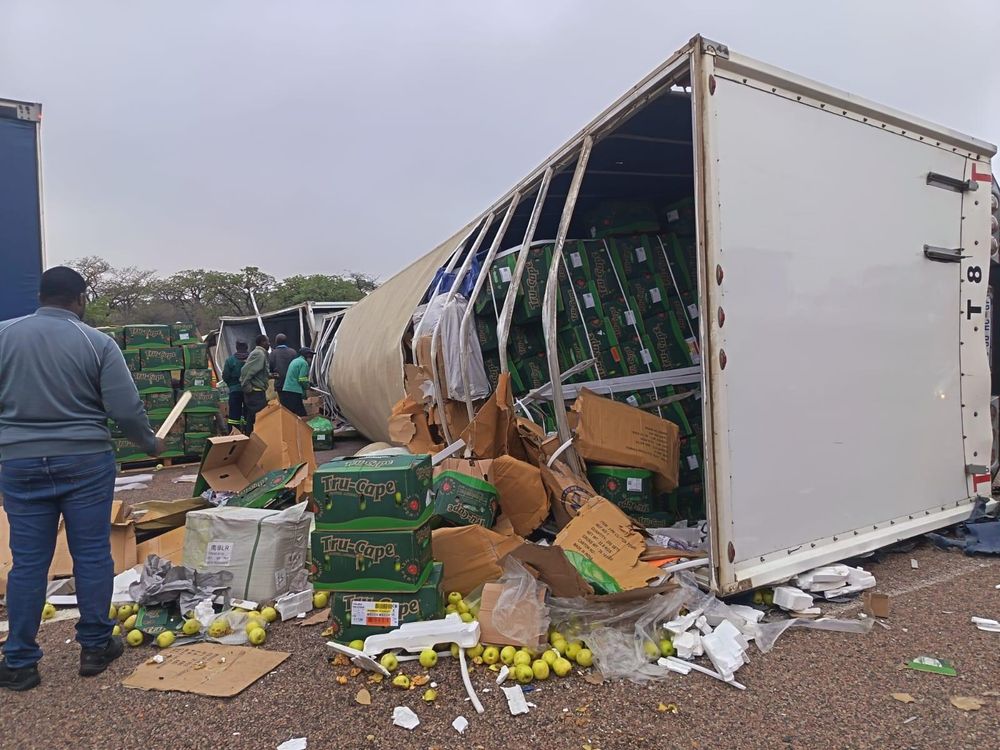
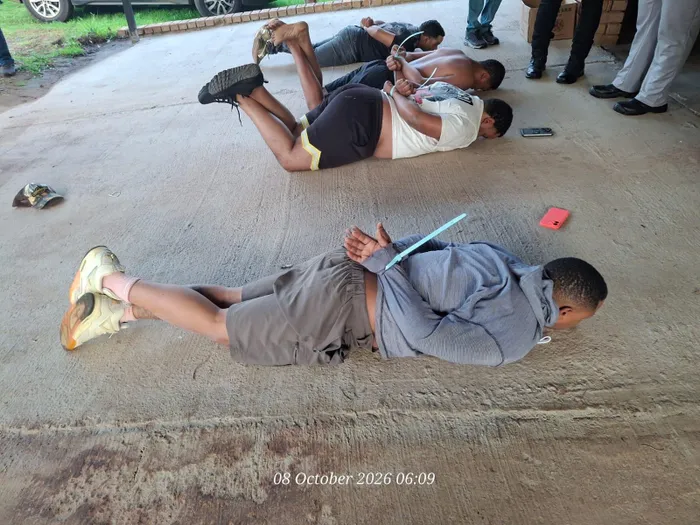
On Thursday, protests over the ruling turned violent. Police said at least 23 vehicles were set alight in Durban and Soweto. No deaths have been reported.