For people living with epilepsy, mental illness or Parkinson's disease, a missed month of medication is not an inconvenience. It can mean seizures, relapse and a life put on hold. In parts of Cape Town's southern suburbs, some chronic patients say they have now gone as long as three months without their supplies.
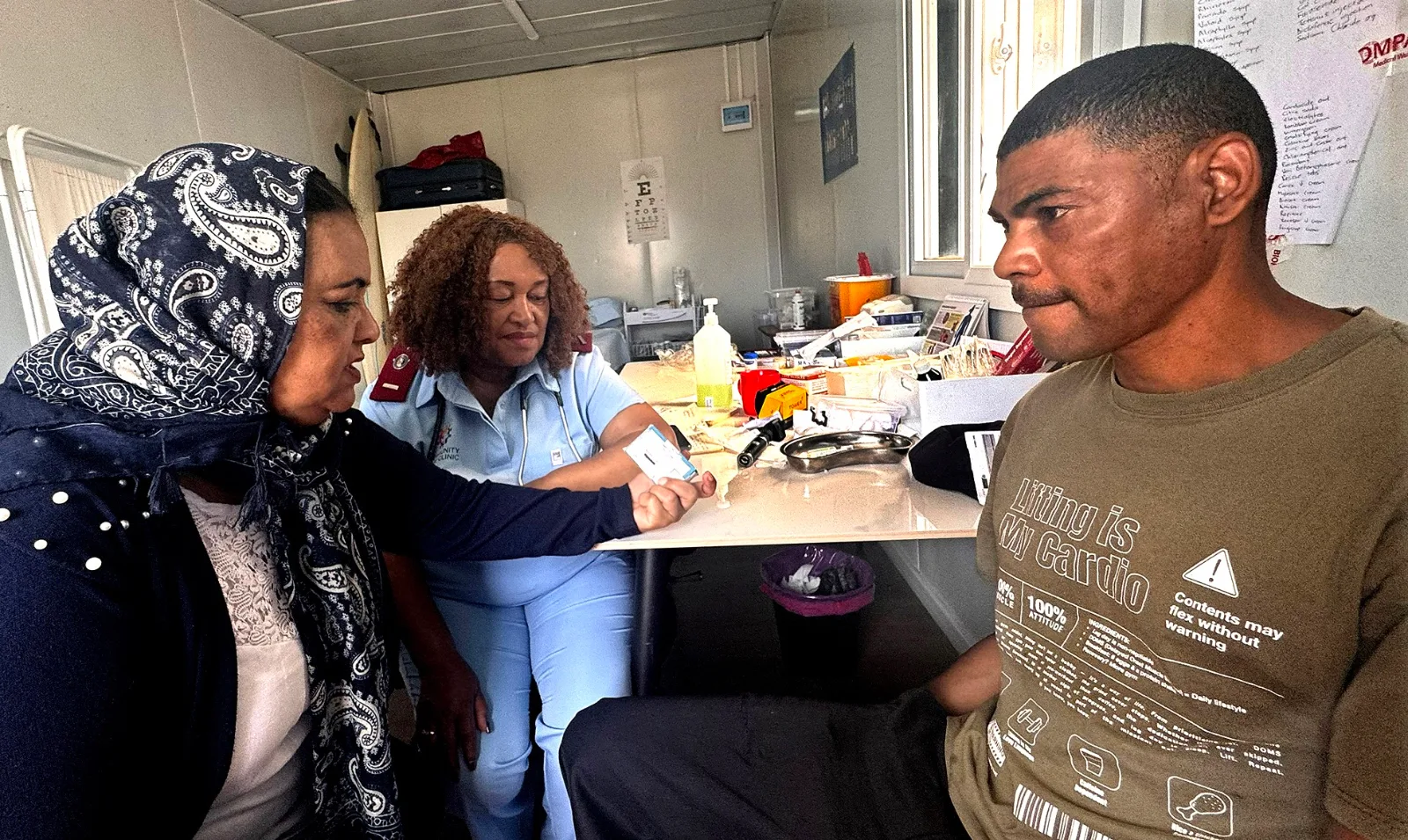
One 45-year-old man with severe epilepsy has described having seizures after going without his medication. "I can't go on like this much longer," he said.
Where people are feeling it
Patients from Retreat, Vrygrond, Lavender Hill and Hanover Park have been turning to the Community Care Clinic in Vrygrond, which opened in April 2026 on the premises of the non-profit Where Rainbows Meet.
"We are 25% fuller than normal," said Ellen van Meerten of Giving Light, which is involved with the clinic.
Mymoena Scholtz of Where Rainbows Meet said the organisation was stretched. "We are not superheroes, although we're trying to be," she said. "We should not be begging for services."
At the much larger Retreat Community Health Centre, which handles about 750 patient visits a day, Ward 72 councillor Kevin Southgate said residents had repeatedly left without their medication.
Why the shelves are empty
Nationally, about 50 critical public-sector medicines are affected, including some epilepsy drugs, treatments for schizophrenia, bipolar and anxiety disorders, Parkinson's medication, TB drugs and certain oral contraceptives.
In a statement on 19 October 2026, the Western Cape Department of Health and Wellness blamed manufacturing and regulatory problems, supplier constraints, import and customs delays, and delays in testing and releasing some medicines. Shipping disruptions and congestion at the Durban port, through which much imported medicine enters the country, have added to the pressure.
Western Cape Health Minister Mireille Wenger first raised concern about stock-outs on 2 June 2026, and wrote to national Health Minister Aaron Motsoaledi in September asking for national action and clear timelines.
"Medicine supply constraints are a country-wide challenge and requires a coordinated national response," Wenger said in the department's statement. "Our patients deserve access to the medications that they need."
The province says it monitors stock weekly at the Cape Medical Depot, moves stock between facilities, sources alternatives and supports temporary imports where needed. It says patients are helped and not turned away. The national Department of Health is also issuing authorisations for temporary imports and sourcing alternative medicines.
If your medicine is out of stock
The provincial health department's advice to patients is:
- Keep collecting your medication, even if the clinic has to give you a smaller quantity.
- Ask questions if your medicine looks different, your treatment has changed, or your usual medicine is unavailable.
- Do not change how you take your medicine without speaking to a nurse, doctor or pharmacist first.
- Clinics may give a different strength, pack size or a suitable alternative medicine where needed.
What we do not yet know
- National government has not given a public date for when the affected medicines will be back in stock.
- How many patients in the Western Cape, or nationally, have gone without medication is not known.
- It is not clear how long small non-profit clinics can keep absorbing the extra patients.