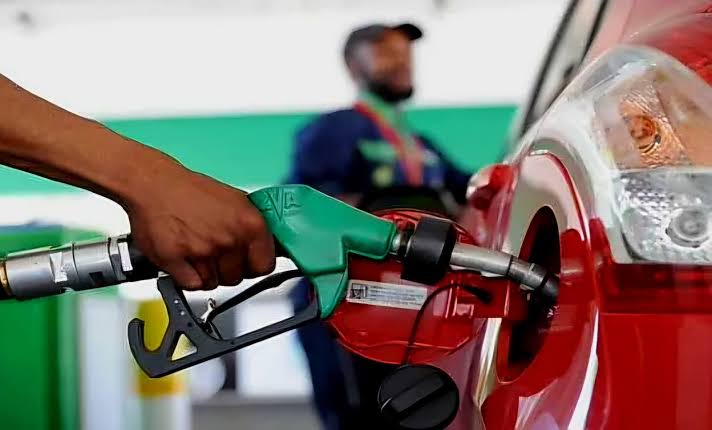
JOHANNESBURG – South African motorists are set to feel the strain at the pumps this week after the Department of Mineral and Petroleum Resources (DMPR) announced steep fuel price increases for October, driving petrol prices above the R30-per-litre mark in parts of the country for the first time.
The new fuel prices come into effect on Wednesday, 7 October 2026, following a month of rising international oil prices and continued pressure on global energy markets. According to the official adjustment, petrol will increase by more than R3 per litre, while diesel users will also face substantial hikes.
What motorists will pay
The October adjustments are as follows:
- Petrol 93: up by R3.12/l
- Petrol 95: up by R3.33/l
- Diesel 0.05% sulphur (wholesale): up by R2.84/l
- Diesel 0.005% sulphur (wholesale): up by R3.24/l
- Illuminating paraffin (wholesale): up by R3.58/l
- LPGAS: up by 42 cents/kg
The increases push inland 95 unleaded petrol above the R30-per-litre level, marking a new record high for South African fuel prices.
Why fuel prices are rising
The latest increases have been driven largely by higher international fuel costs linked to geopolitical tensions in the Middle East. Crude oil prices remained elevated throughout September, with prices trading above $100 a barrel for much of the month as concerns grew over global supply disruptions.
At the same time, the rand offered little relief against the US dollar, limiting its ability to offset rising import costs. While the local currency remained relatively stable, it was not strong enough to counteract the surge in international petroleum product prices.
Another contributor was an increase in the fuel slate levy, which rose by 4.38 cents per litre. The adjustment is intended to recover historical under-recoveries in the fuel pricing system and is automatically implemented through the fuel pricing mechanism.
Pressure on households and businesses
The latest hike is expected to increase financial pressure on households already grappling with elevated living costs. Fuel remains a key input cost across the economy, influencing transport expenses, food prices and logistics costs.
Businesses that rely heavily on transport, particularly those in agriculture, retail and freight, could face higher operating expenses in the coming weeks. Industry analysts have warned that part of these additional costs may eventually be passed on to consumers through higher prices on goods and services.
Public transport users may also feel the impact as taxi operators and bus companies assess the effect of higher fuel costs on their operations.
Little prospect of relief
While government interventions helped cushion motorists earlier in the year, analysts believe there is limited room for another major fuel levy reduction at this stage. As a result, consumers are likely to absorb the full impact of the latest adjustments unless global oil prices ease significantly in the months ahead.
For now, South Africans are being urged to fill their tanks before the new prices take effect, as the October increase ranks among the largest monthly fuel hikes recorded in recent years.
